Category: Professionals

  • The Future of Filipino Homes: Top 5 Design Trends to Watch in 2026

    The Future of Filipino Homes: Top 5 Design Trends to Watch in 2026

    The concept of the Filipino home is evolving. As we look towards 2026, architectural and interior design trends are shifting towards sustainability, functionality, and a deeper connection with our cultural roots. Whether you’re planning a new build or a renovation, here are the top trends to inspire you.

    1. The Modern ‘Bahay Kubo’ Revival:
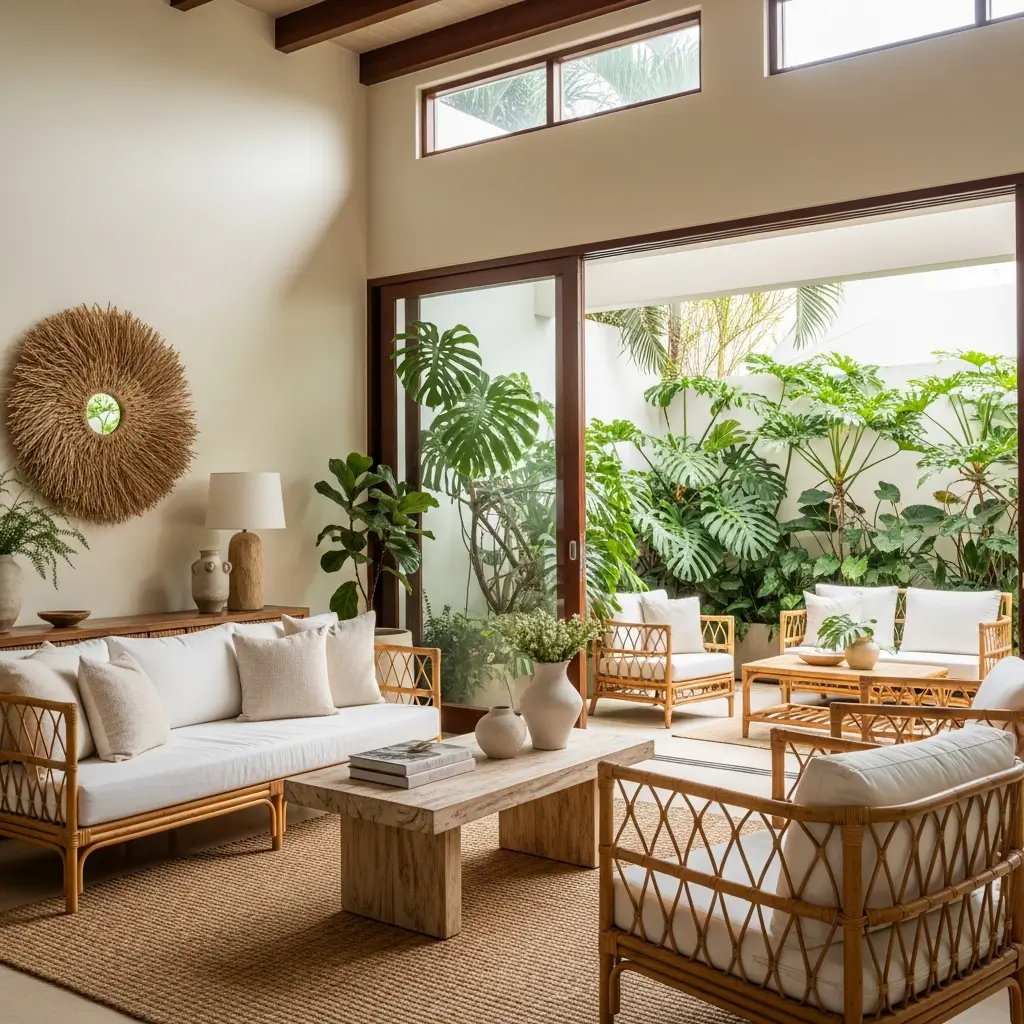
    This trend reinterprets the classic Filipino stilt house with a modern aesthetic. It emphasizes natural ventilation, elevated living spaces, and the use of indigenous materials like bamboo and rattan. The goal is to create homes that are both beautiful and perfectly suited to the tropical climate.

    2. Sustainable and Eco-Friendly Building:
    Green building is no longer a niche concept. Homeowners are increasingly demanding sustainable solutions, such as solar panels, rainwater harvesting systems, and the use of recycled or upcycled materials. This trend focuses on reducing the home’s environmental footprint while also lowering long-term utility costs.

    3. Seamless Indoor-Outdoor Living:
    The line between inside and outside is blurring. Expect to see more designs that feature large windows, sliding glass doors, and lanais that extend the living space into the garden. This creates a sense of openness and allows residents to connect with nature from the comfort of their home.

    4. Multi-Functional and Flexible Spaces:
    With the rise of remote work and changing family dynamics, homes need to be more adaptable. Designs are now incorporating multi-functional spaces that can easily transform from a home office to a guest room or a workout area. Clever storage solutions and flexible furniture are key to this trend.

    5. Smart Home Integration:
    Technology is becoming an integral part of the modern Filipino home. From automated lighting and climate control to advanced security systems, smart home technology offers unprecedented convenience, efficiency, and peace of mind. Integrating these systems from the initial design phase is becoming a popular choice for new constructions.


  • Beyond the Build: 5 Actionable Strategies to Market Your Construction Business

    Beyond the Build: 5 Actionable Strategies to Market Your Construction Business

    In today’s competitive market, being a great builder isn’t enough. You need to be a great marketer too. Potential clients are online, searching for skilled and trustworthy professionals. Here are five actionable strategies to ensure they find you.

    1. Build a Powerful Online Profile:
    Your online profile is your new business card. Create a comprehensive and professional presence on a platform like Synckreo.com. It’s the perfect hub to list your services, detail your experience, and make it easy for potential clients to discover and contact you. A strong profile builds instant credibility.

    2. Showcase Your Work with a High-Quality Portfolio:
    Let your work speak for itself. A picture is worth a thousand words, and a portfolio of high-resolution photos and videos of your completed projects is your most powerful marketing tool. Showcase a variety of projects to demonstrate your range and expertise. Include before-and-after shots to highlight the transformative impact of your work.

    3. Leverage Client Testimonials and Reviews:
    Positive reviews build trust like nothing else. Actively encourage your satisfied clients to leave testimonials and reviews on your Synckreo profile and other social media pages. A collection of glowing reviews can be the deciding factor for a client choosing you over a competitor.

    4. Engage on Social Media:
    Establish a presence on platforms where your clients are active. Use Facebook and Instagram to post project updates, share behind-the-scenes content, and offer helpful tips related to home improvement and construction. This helps you stay top-of-mind and build a community around your brand.

    5. Network with Industry Peers:
    Building relationships with architects, interior designers, and real estate agents can be a fantastic source of referrals. A strong professional network can lead to a steady stream of high-quality leads. Attend industry events and connect with peers online to expand your circle.

  • Building Your Dream: A Step-by-Step Guide to Choosing the Right Contractor in the Philippines

    Building Your Dream: A Step-by-Step Guide to Choosing the Right Contractor in the Philippines

    Don’t let your dream home turn into a nightmare. Our guide provides essential tips for finding, vetting, and hiring a trustworthy contractor for your construction project in the Philippines.


    Embarking on a construction project is one of the most significant investments you’ll ever make. The success of your project hinges on finding a contractor who is not only skilled but also trustworthy and reliable. Here’s how to ensure you make the right choice.

    1. Define Your Project and Budget:
    Before you start looking for a contractor, have a clear vision of what you want. Create a detailed project plan, including your design preferences, required materials, and a realistic budget. This will help you communicate your needs effectively and filter out contractors who aren’t a good fit.

    2. Find Potential Contractors:
    Start your search by asking for recommendations from friends and family. More effectively, use a dedicated platform like Synckreo.com to browse profiles of vetted local construction professionals and companies. These platforms allow you to see their past work, areas of expertise, and connect with them directly.

    3. Check Credentials and Portfolios:
    Once you have a shortlist, do your due diligence. Verify their licenses and insurance to ensure they are legitimate and that you are protected. Scrutinize their portfolio of past projects. Do they have experience with projects similar to yours? Pay attention to the quality of their work and the styles they specialize in.

    4. Interview and Get Quotes:
    Meet with at least three different contractors. This is your opportunity to gauge their professionalism, communication style, and understanding of your vision. Provide them with your detailed project plan and ask for a comprehensive quote. Be wary of quotes that are significantly lower than others, as this could be a red flag for cutting corners or using substandard materials.

    5. Sign a Detailed Contract:
    Never proceed with just a verbal agreement. A professional contract should outline every detail of the project, including the scope of work, timeline, payment schedule, specific materials to be used, and warranties. This document will protect both you and the contractor, ensuring there are no misunderstandings down the line.